Walk down the matcha aisle and you will see the same word again and again: grade. Ceremonial, culinary, premium, classic. The labels are not regulated, so they can be confusing, but there is a real and useful difference between ceremonial and culinary grade matcha. Understanding it is the fastest way to stop buying matcha you do not enjoy.
What "grade" really means
Grade is mostly about the leaves and the milling. The finest matcha is made from young, tender leaves, carefully de-stemmed and de-veined, then stone-ground into an ultra-fine, silky powder. Lower grades use older, coarser leaves and a rougher grind. The result changes the colour, the texture and, above all, the taste.

Ceremonial grade
Ceremonial-grade matcha sits at the finer, smoother end of the scale. It is made to be whisked with water and sipped on its own, with no milk or sweetener needed to make it pleasant. Expect a vivid jewel-green colour, a silky texture and a smooth, naturally sweet, vegetal flavour with a savoury depth known as umami. This is the grade you want for a traditional bowl, and it still performs beautifully in a latte.
Culinary grade
Culinary-grade matcha is coarser and more bitter. That is not a flaw, it is the point: it is built to hold its flavour when it is mixed into milk, sugar, batter or ice cream. It is genuinely useful for baking and blended drinks, but it is rarely pleasant to drink whisked with just water.

How to tell quality at a glance
You do not need a trained palate to spot better matcha. Look for three things:
- Colour. A bright, almost electric green signals fresh, high-quality leaf. Dull, yellowish or brownish powder points to lower grade or age.
- Texture. Good matcha feels fine and silky, like a soft eyeshadow, not gritty.
- Taste. Ceremonial grade should be smooth enough to enjoy with water alone. If you need sugar to get it down, it is either a low grade or past its best.
Does grade affect the health benefits?
Both grades come from the same plant, so both carry the antioxidants and L-theanine matcha is known for. The main differences are flavour, texture and how much of the good stuff is concentrated in each scoop, since younger leaves tend to be richer. In practice, the biggest health difference is a behavioural one: if your matcha tastes smooth and enjoyable, you actually drink it every day, and a habit you keep beats a harsh tin that sits at the back of the cupboard. You can read more in our guide to matcha benefits.
Which should you buy?
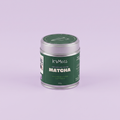
If you want to drink matcha as a daily bowl or a good latte, buy ceremonial grade. If you mainly want to bake with it or blend it into heavily sweetened drinks, culinary grade will do the job for less. KaMoss keeps things simple by making one thing: a single ceremonial-grade tin that is smooth enough to sip yet holds up in milk, so you are never guessing which grade you actually bought.
Ready to taste the difference? Learn how to make matcha and start with a proper ceremonial tin.